


Familiarity with handicraft
Beauty, elegance and art are words that deserve to describe handmade products. Their production requires the hands of an artist, careful insight and love.
These types of beautiful handicrafts, which are often also income-generating as well, are usually popular all over the world. Many artists create lovely handicrafts with these artistic skills. There are a plethora of art lovers who are deeply interested in acquiring the knowledge of working with them and maybe earning money. Needless to say, there are also many people who are generally fond of buying these beautiful handicrafts whether for their own or for giving as a gift.
In the following, we shall define handicrafts and their various types, so make sure to keep up with us.
Arts and Crafts
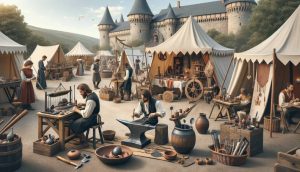
Handicrafts are all different form of arts that has been made by humans throughout the history of their lives. In the ancient times, the early man was always looking for a shelter and looking for the construction and discovery of what he needed. It is obvious that these early generation of humans started making handmade tools and equipment and many of these products were made so delicately and beautifully that we can safely attribute the beginning of handicrafts to this period of history. Since then, with the progress of humanity and civilization, handicrafts have also progressed as we see them today. And every region of the world has its own crafts and handicrafts.
The mutual influence of handicrafts and tourism
The production of handicrafts, which have historical roles in every country, is on the agenda of artisans of different countries. Artisans try to come up with different handicrafts, taken from different cultures and provide them to tourists to get to know the culture and history of that country. All countries of the world believe in the mutual influence of handicrafts and the tourism industry; as these fine arts are one of the most important and influential tools in alluring tourists.
What does handicrafts mean?
Handicrafts have become a very important part of countries’ products today. The point that is of prominent importance about handicrafts is that besides having aesthetic aspects, they can also be used in daily life. This is the most beautiful application of art in human life.
What is made by human hands and has become a part of their identity and past is called handicrafts. Additionally, it is crucial to keep in mind that handicrafts are completely made by hand or with the utilization of tools which is the main distinction between this art and other mechanical and similar creations. Moreover, handicrafts use local and natural raw materials which is why you will find each handicraft specific to a region.
What is the value of hand art?
The valuation of art depends on several factors. The price of a work of art depends on its demand, the quality of the work of art, the cost of producing or making art, and many other factors. But one of the most wrong forms of valuing a work of art is its association with the name of the artist or his feelings. Perhaps one of the main reasons why we feel anger or hatred or even ridicule for the expensiveness of an artwork is the valuation of handmade art based on the feelings of the artist.
Art has never been in the classification of basic human needs. However, surprisingly, it is the only medicine to save humanity! Wars have occurred over food, clothes and power whereas, art plays a major role in shaping peace. The process of art formation is usually an emotional process. In this process, the artist does not think about his audience at all. Real art is usually the product of whole hearted work. In many cases, the artist does not even intend to present or sell it. Therefore, art has no price.
History of crafts in the world
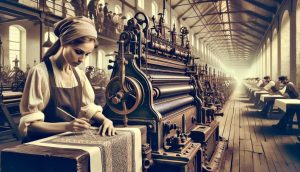
Around the world, countries that have been older have more diverse and extensive handicrafts. China, India, Greece and Iran can be mentioned among these countries. These three countries are among the oldest civilizations in the history of the world and are among the largest producers of handicrafts in the world.
All over the world, before the industrial revolutions, everything that humans used, from clothes and ornaments to agricultural tools and weapons, were all made and produced by hand and hand tools.
After the industrial revolutions in the 19th century and with the production of machines, mechanical tools and synthetic materials, the role of handicrafts in most societies became less. But after the world wars, some countries like India, China, Mexico and Greece tried to produce domestically to achieve economic independence.
For this reason, the production of handicrafts was put on the agenda more than in the past. Humans used natural resources and created various works of art and handicrafts by using manual techniques
such as weaving, pottery, carving and building stone structures. Handicrafts not only meet the needs of the society, but also have a high artistic and cultural value and show the high creativity and skill of humans in art and design.
Through crafts, humans first began to produce tools to help their lives. But with the passage of time, handicrafts became an art as well as an industry. Each country and region of the world developed its handicrafts based on its history, culture and climate. These handicrafts are important not only economically, but also culturally, and are known to represent the identity and history of a nation.
The importance of crafts in world civilizations
Handicrafts have always been very important in the civilizations of the world and have played a significant role in the development and economic and cultural progress of societies. These industries have shown the art, expertise and civilization of a community and by combining art, design and industry, they create unique works that are a sign of the taste and mentality of the people of a region.
Handicrafts in the civilizations of the world have been created due to several factors, these factors are:
1. Preserving cultural identity: Handicrafts are usually known as cultural symbols and identity of a nation. These industries express the traditions, practices, beliefs and values of the society and are the marks of distinction for every culture. The preservation and development of these industries will help future generations to get to know their cultural roots and establish a close relationship with it.
2. Job creation and economic development: handicrafts are one of the important factors of economic development. Supporting handicrafts creates a lot of employment in related sectors. These industries often operate in areas with limited job opportunities and help to improve the standard of living and economic prosperity of these areas.
3. Environmental protection: Handicrafts usually use renewable raw materials and most of their production processes are done locally and traditionally. This issue preserves the environment and reduces negative effects on nature. In addition, handicrafts are less dependent on energy and natural resources and have a lower carbon footprint compared to larger, industrial industries.
4. Cultural exchange and expansion of tourism: handicrafts play an important role in cultural exchange between nations and countries. These industries are very attractive for tourists and by using them, people can learn about the local culture and art of other countries. This cultural exchange helps to promote understanding and interaction between nations and promotes cultural dialogue.
Conclusion
Not every work or industry fits easily into the category of handicrafts. In order to consider a product as a handicraft like HoZo Art, it must have certain characteristics, including the cultural role and identity of a nation (having a cultural burden), no need for large investments compared to other industrial fields, the ability to create and develop. In different areas (city, village, and nomadic communities), people can easily create production centers, generate high-added value compared to other industries, achieve self-sufficiency by relying on domestic raw materials, contribute to economic growth and development, and find suitable opportunities for export.